
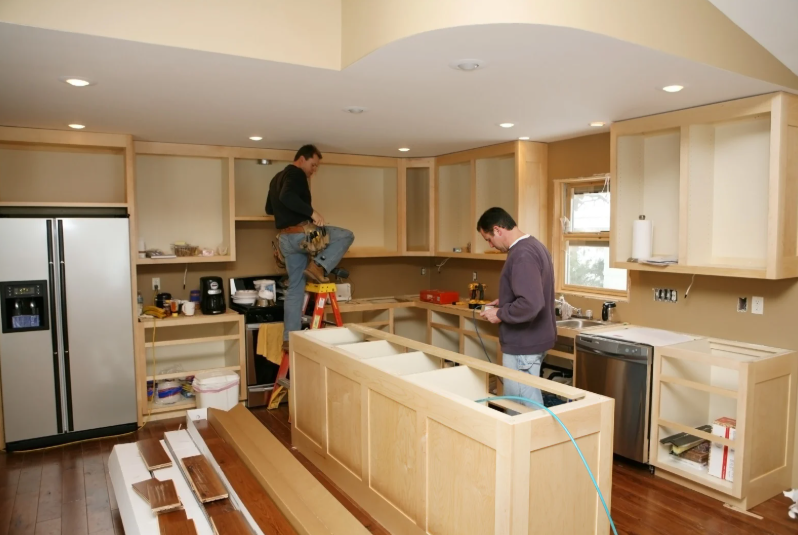
A Kitchen Remodel is no longer just about updating appliances or changing color palettes—it’s about redefining how homes function and feel. Modern homeowners view the kitchen as the central hub of daily life, where design meets innovation. This transformation is shaping the future of home architecture, blending open layouts with multifunctional spaces that encourage connection and creativity. Sleek lines, natural materials, and sustainable solutions are now the foundation of every thoughtful Kitchen Remodel, emphasizing both beauty and practicality. As technology and lifestyle needs evolve, kitchens are being designed to adapt, offering smarter organization and improved flow. These changes mark a shift in architectural priorities, turning the heart of the home into a statement of modern living.
Open-Concept Living
The Kitchen Remodel trend has inspired the rise of open-concept designs, erasing boundaries between cooking, dining, and living areas. This layout encourages interaction and enhances natural light flow, creating a sense of unity throughout the home. Open designs redefine spatial perception, making smaller areas feel larger and more connected. By blending social and culinary spaces, architects are reshaping the way homes function daily. The result is a balanced environment where cooking, conversation, and comfort coexist seamlessly, symbolizing the evolution of modern home architecture through thoughtful remodeling concepts.
Sustainable Design Influence
Sustainability lies at the core of every forward-thinking Kitchen Remodel, transforming how materials, lighting, and layouts are chosen. Eco-conscious design principles focus on renewable resources, efficient appliances, and natural ventilation that minimize waste and energy use. These sustainable remodels influence architectural direction, promoting harmony between human activity and environmental responsibility. Green remodeling approaches not only reduce environmental impact but also improve long-term home efficiency.
Renewable Material Choices
Modern Kitchen Remodel projects emphasize renewable materials such as bamboo, reclaimed wood, and recycled stone. These options reduce environmental strain while adding natural beauty. Using eco-friendly resources strengthens sustainability efforts and sets a foundation for future environmentally responsible architectural trends.
Energy-Efficient Appliances
Energy-efficient appliances are integral to sustainable Kitchen Remodel designs. They minimize power consumption, lower utility bills, and support global energy conservation. Smart selections such as induction cooktops and LED lighting promote sustainability, improving daily efficiency while aligning modern living with long-term environmental responsibility.
Natural Ventilation Systems
Integrating natural ventilation in Kitchen Remodel layouts enhances air circulation and reduces dependency on mechanical systems. Strategic window placement, vents, and open designs allow fresh air flow, decreasing indoor pollutants. This approach encourages healthier homes while minimizing environmental and energy-related impacts.
Water Conservation Practices
Sustainable Kitchen Remodel projects prioritize water-saving techniques like low-flow faucets and efficient plumbing systems. These solutions significantly reduce water waste while maintaining functionality. By conserving natural resources, homeowners contribute to eco-conscious architectural design that values both efficiency and environmental preservation.
Eco-Friendly Lighting Concepts
Lighting plays a crucial role in every sustainable Kitchen Remodel. Implementing LED fixtures, natural skylights, and motion-sensor systems minimizes energy waste while enhancing ambiance. These eco-friendly lighting strategies shape greener architectural standards, combining functionality with environmental mindfulness for a lasting design impact.
Integration of Smart Functionality
A modern Kitchen Remodel often embraces intelligent features that streamline everyday living. Integrated systems for lighting, temperature, and storage elevate both convenience and design appeal. Functionality is prioritized without compromising style, allowing homeowners to manage daily routines effortlessly. These innovative elements influence future home architecture by promoting efficiency and adaptability. Smartly designed kitchens create spaces that anticipate needs, simplifying tasks while maintaining sophistication. The combination of digital control and artistic structure redefines the heart of the home, ensuring that form and function evolve in perfect synchronization.
Natural Materials Revival
The architectural movement toward authenticity is reflected in Kitchen Remodel designs emphasizing natural materials. Stone, wood, and metal add warmth, texture, and character to interiors, blending traditional charm with contemporary aesthetics. This revival enhances durability while connecting the indoors to organic surroundings. By celebrating tactile experiences, remodels promote harmony and timelessness within modern spaces. The trend reshapes architectural identity, moving away from synthetic finishes toward materials that age gracefully. Each remodel becomes a reflection of nature’s artistry, grounding future homes in sustainable and visually balanced design principles.
Multi-Functional Spaces
A Kitchen Remodel now extends beyond culinary use, evolving into a multi-functional zone for work, leisure, and social connection. This flexibility aligns with shifting lifestyle patterns, where adaptability defines comfort. Architects design kitchens to accommodate dining, remote work, or family gatherings without losing flow or elegance. Transformative islands, flexible seating, and concealed storage reflect this adaptive mindset. By merging diverse functions into one cohesive area, kitchen remodeling is reshaping architectural planning. Homes become more efficient, welcoming, and versatile—hallmarks of future residential innovation guided by functional creativity.
Lighting as Architectural Expression
In every modern Kitchen Remodel, lighting serves as both a functional necessity and an architectural statement. Layered illumination—combining ambient, task, and accent lighting—adds depth and emotion to the space. The strategic placement of natural and artificial light defines contours, enhances color, and shapes mood. This approach integrates lighting design into the structural identity of the home, influencing how architecture interacts with atmosphere.
Layered Lighting Design
A modern Kitchen Remodel embraces layered lighting, blending ambient, task, and accent illumination to create balance and dimension. This method enhances visibility, sets mood, and highlights architectural elements, transforming kitchens into visually dynamic and functionally efficient living spaces.
Natural Light Integration
Incorporating natural light within a Kitchen Remodel enhances energy efficiency and spatial comfort. Large windows, skylights, and glass doors invite daylight, creating openness and vibrancy. This design choice connects interiors with nature while reducing dependence on artificial lighting systems.
Accent Lighting Focus
Accent lighting in a Kitchen Remodel draws attention to textures, finishes, and focal areas such as backsplashes or islands. Strategically placed fixtures emphasize design depth and craftsmanship, enriching the kitchen’s atmosphere while complementing architectural flow and visual interest.
Mood and Ambiance Control
Lighting influences mood, making it an essential design component in every Kitchen Remodel. Adjustable brightness, color temperature, and placement allow homeowners to shift ambiance—from calm dining settings to vibrant gatherings—creating a versatile environment tailored to personal lifestyle needs.
Architectural Harmony Through Light
A well-planned Kitchen Remodel uses light to strengthen architectural identity. Every fixture, reflection, and shadow enhances structure and texture. This thoughtful illumination merges aesthetics and practicality, ensuring seamless integration between lighting design and the home’s architectural rhythm.
Personalized Architectural Touch
Personalization is a defining aspect of the contemporary Kitchen Remodel, shaping the emotional and aesthetic essence of modern homes. Custom layouts, distinctive finishes, and tailored storage solutions reflect individual lifestyles and preferences. This architectural personalization transforms kitchens into meaningful spaces that embody identity and comfort. Homeowners are increasingly involved in design decisions that align function with self-expression. Through customization, architecture evolves beyond uniformity—embracing diversity, creativity, and authenticity. Each personalized remodel contributes to the ongoing evolution of home architecture, blending personal taste with innovative design intelligence.
Conclusion
A Kitchen Remodel is more than a design update—it’s a transformative step toward the future of home architecture. By combining functionality, sustainability, and aesthetics, modern remodeling sets new standards for how people experience their living spaces. From open layouts to energy-efficient solutions, these innovations redefine comfort and creativity, influencing the design flow of entire homes.
For expert craftsmanship and visionary design in St. Petersburg, contact Elite Kitchens & Cabinetry. Our team brings precision, style, and innovation to every project. Call us today at 727-325-3791 to begin your custom kitchen transformation and shape the future of your home.